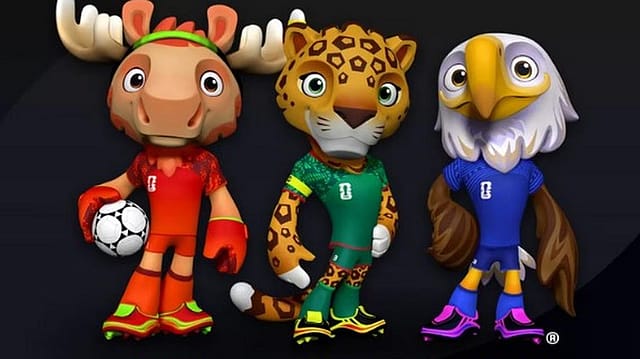
Excitement is building as the World Cup 2026 approaches. Every World Cup has a mascot that represents the host nation. Each one has a name, backstory, and character that act as a visual tie to the nation. This time, the World Cup has three co-hosts, each with its respective mascot. These three mascots were carefully developed by FIFA in partnership with the host nations. Their bold colors and shapes are instantly recognizable and work across many mediums.
The impact of mascots
Mascots are central to engaging fans. Through their antics and endearing personalities, they help to interact with spectators and keep energy levels high. In the case of the World Cup mascots, they are easily recognizable symbols of the countries they represent and are an essential conduit between teams and their fans. They give marketing teams many opportunities and revenue streams, from using them on merchandise to creating social media posts.
Mascots and betting are both part of the same ecosystem that transforms sporting events into broader entertainment. Mascots drive emotional engagement, and betting monetizes it. US sports betting on the World Cup will be a fully regulated and highly digital experience with dozens of states allowing legal mobile wagering through apps like betPARX.
A trio of mascots
The trio of mascots for the World Cup celebrates the culture and heritage of their respective countries.
The United States has Clutch, the Bald Eagle as its mascot. The bald eagle is the national bird of the U.S. and a symbol of patriotism. Clutch wears the iconic number 10 jersey and plays as a midfielder. He embodies a spirit of adventure and optimism. He leads by action and rallies his teammates, lifting their spirits and turning challenges into opportunities to rise higher.
Maple, the Moose, is Canada’s mascot, representing the nature and wildlife the country is known for. He roams across Canada, embracing culture and celebrating diversity. Moose is a goalkeeper with street style who is also an artist and music lover. He makes some legendary saves and has a heart full of strength and leadership.
Zayu, the Jaguar, honors Mexico and symbolizes its strength and rich cultural history. Zayu comes from the South American jungle, but on the pitch, he is a striker who shows ingenuity in intimidating defenders. Off the pitch, he embraces Mexican culture through dance, food, and tradition.
Mexicans are passionate about soccer and Mexico, and strong teams like Argentina, France, Germany, etc., have a fierce soccer rivalry. Zayu is likely to win the hearts of Mexican fans as they support their team. They appear to like him more than many of the mascots from previous years.
Developing the mascots and public reaction
FIFA began designing a mascot well in advance of the World Cup, and this time the work was more extensive as it had three to design. FIFA and local organizing committees work together in extensive design workshops.
Public reaction to the new mascots has generally been positive, but some say they look as though they came out of a kid’s cartoon. Fans in the host nations are reacting well and saying that the mascots are helping to heighten anticipation. Some argue that using the bald eagle and moose is too predictable.
A major talking point is the 3D animated style. These three are the first FIFA competition mascots that are playable characters in video games, so the style is fully intentional. The FIFA-licensed title, FIFA Heroes, is designed to appeal to young fans, and FIFA collaborated with many animation and gaming studios to bring the characters to life.
Past World Cup mascots
The best mascots are immortalized in World Cup history. The 1966 edition of the World Cup in England was the first to have a mascot. Willie, the Lion, wore a Union Jack jersey. England won the World Cup that year, and Willie is a reminder of that.
Popular mascots from past World Cup events include Zakumi, the green-haired leopard, and Footix, the French Gallic rooster. They are celebrated for their playful personalities and vibrant designs. Many taxis in South Africa still have Zakumi displayed on them today. It was a culturally resonant symbol that’s still beloved today. Footix was the ultimate lucky charm as France had their first World Cup victory.
