Furnishing a small kitchen when money is tight can feel like an impossible balancing act. You need furniture that fits a compact space, looks good, and doesn’t drain your savings account. The good news is that finding the right small kitchen table and chairs doesn’t require a designer budget or endless compromise. With the right approach, you can discover stylish, functional pieces at prices that make sense for your household.
This guide is designed for budget-conscious shoppers who refuse to settle for flimsy furniture or bland aesthetics. We’ll walk you through proven strategies for tracking down genuine discounts, evaluating quality before you buy, and choosing pieces that work together in a tight space. Whether you’re outfitting your first apartment or refreshing a dated kitchen, you’ll find actionable steps for locating affordable and diverse seating options that bring both comfort and character to your daily meals. Let’s turn your small kitchen into a space you actually enjoy spending time in.
Why Discounted Furniture is a Smart Choice for Budget-Conscious Consumers
Buying discounted furniture isn’t about cutting corners—it’s about spending strategically. When retailers run seasonal clearances, discontinue product lines, or move overstock inventory, they slash prices on pieces that are identical in quality to what sold at full price last month. This means you can access higher-end brands and better craftsmanship than your budget would normally allow. A solid hardwood table that retails for hundreds more becomes suddenly attainable when it’s marked down during a warehouse sale.
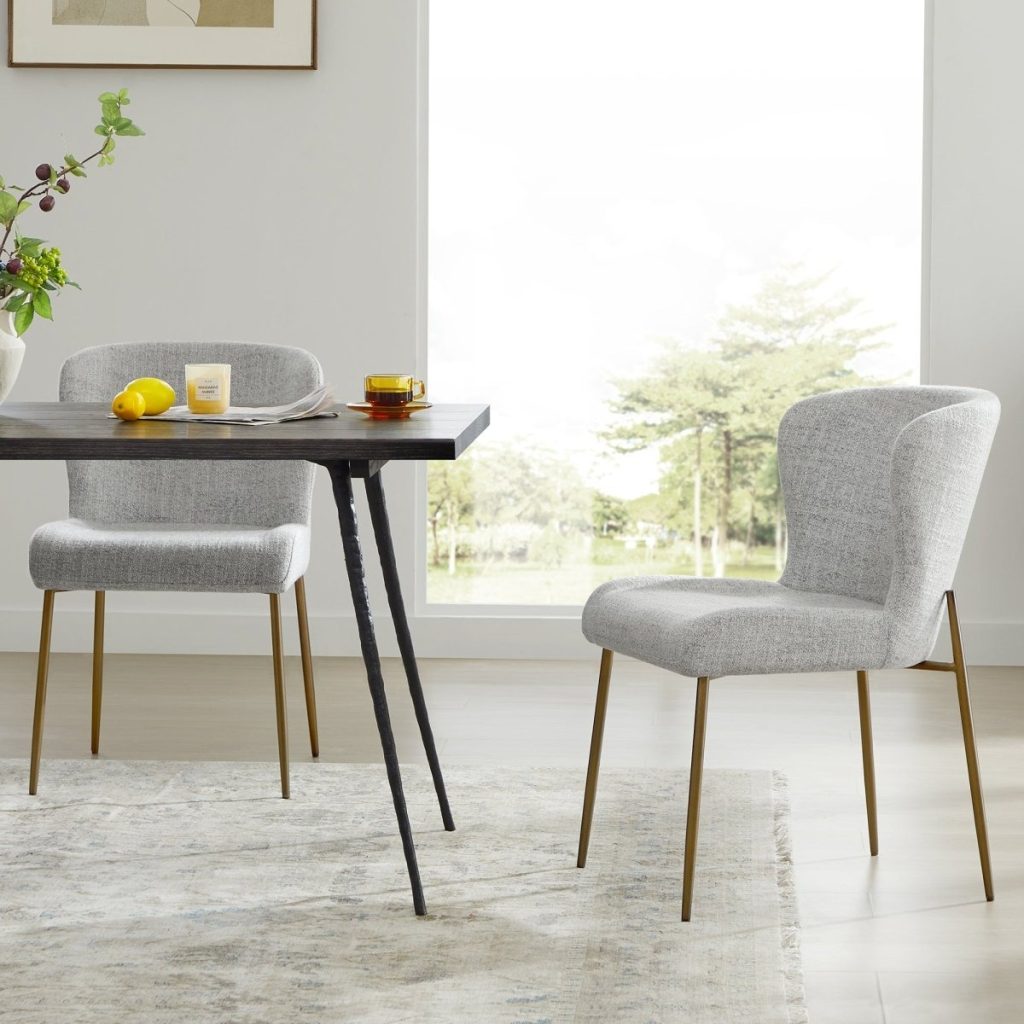
One persistent myth worth dispelling: discounted doesn’t mean defective. The vast majority of sale items are perfectly intact pieces that simply need to move to make room for new collections. Floor models may have minor cosmetic imperfections that are invisible once placed in your kitchen, yet they carry dramatic markdowns. Overstock items are brand new, still in packaging, just produced in quantities that exceeded demand.
There’s also an environmental argument for choosing discounted furniture. Every piece that sells at clearance instead of heading to a landfill represents reduced waste. By purchasing these items, you’re extending the lifecycle of materials already extracted and manufactured, which aligns with more sustainable consumption habits. For budget-conscious shoppers who care about both their wallets and their footprint, discounted furniture offers a genuinely smart path to furnishing a small kitchen with style and substance.
How to Find the Best Deals on Small Kitchen Tables and Chairs
Landing a great deal on small kitchen tables and chairs requires a mix of patience, timing, and knowing exactly where to look. The most effective strategy starts before you ever browse a single listing: sign up for retailer newsletters and set price alerts on items you’re considering. Most furniture retailers send exclusive discount codes to email subscribers, often ranging from ten to twenty percent off, and these stack with existing sale prices more often than you’d expect. Timing your purchase around major holiday weekends—Memorial Day, Labor Day, Black Friday—puts you in the path of the deepest markdowns, as stores aggressively clear inventory during these periods.
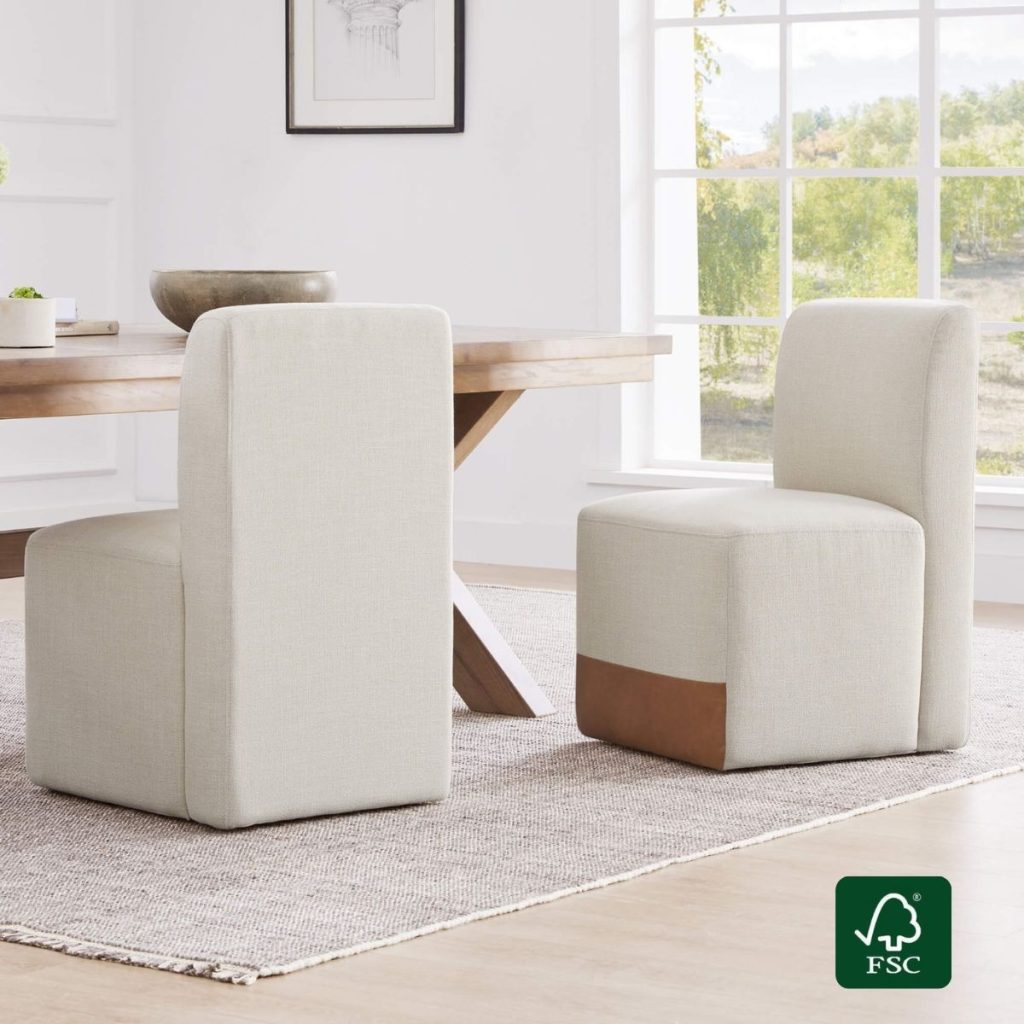
Coupon aggregator sites are another underused tool. Before completing any online purchase, spend two minutes searching for active promo codes. This small habit can shave meaningful dollars off your final total. Social media also plays a role—following brands on Instagram or Facebook often surfaces flash sales announced exclusively to followers. The key is building a system: track what you want, monitor prices over a few weeks, and strike when the discount aligns with your budget.
Exploring Online Retailers and Marketplaces
Major platforms like Wayfair, Amazon, and Overstock consistently offer competitive pricing on small kitchen furniture, but don’t overlook Facebook Marketplace and Craigslist for barely-used sets at steep discounts. When shopping online, sort results by customer rating rather than price alone—this surfaces pieces that deliver genuine value rather than just the cheapest option available. Read reviews specifically from buyers who mention durability after several months of use, since initial impressions don’t always hold up. Flash sales on dedicated furniture sites typically last 24 to 72 hours, so having your measurements and style preferences ready means you can act decisively. Bundled deals within a furniture collection often save more than buying individual pieces, since retailers incentivize complete set purchases with deeper percentage discounts.
Visiting Physical Stores and Outlets
Physical shopping offers something screens cannot: the ability to sit, touch, and test before committing. Furniture outlet stores carry the same brands found in full-price showrooms but at 30 to 60 percent less, typically because items are from previous seasons or have been discontinued. Thrift stores and estate sales are goldmines for solid wood tables that simply need a fresh coat of paint. When visiting any store, bring a tape measure and your kitchen’s dimensions written down so you can evaluate fit instantly. Don’t hesitate to ask about upcoming markdowns—sales associates often know when floor models will be discounted. Testing seating options in person lets you assess comfort, seat height relative to table height, and sturdiness in ways that product photos never reveal. If you find something you love at a price that’s close but not quite right, politely ask whether they can match an online competitor’s price or throw in free delivery.
Key Features to Look for in a Small Kitchen Table
Choosing a small kitchen table goes beyond picking something that looks nice in a photo. The right table needs to serve your daily routine—morning coffee, weeknight dinners, maybe even doubling as a workspace—while fitting comfortably in a room where every square foot matters. Before you get swept up in a great discount, ground yourself in what actually works for your space and lifestyle. A beautiful table that blocks your refrigerator door or forces you to squeeze sideways past it will quickly become a source of daily frustration, no matter how little you paid.
Size, Shape, and Space Optimization
Start by measuring your kitchen with a tape measure, not your eyes. Record the available floor space where the table will sit, then subtract at least 36 inches on each side where people need to pull out chairs and walk past. This gives you the maximum table dimensions that will actually function in your room. Round and oval tables work exceptionally well in tight kitchens because they eliminate sharp corners that catch hips and restrict traffic flow. A round table seating two to four people typically requires less total floor space than its rectangular equivalent. Square tables tuck neatly into corners when pushed against a wall, effectively serving as a two-person daily setup that pulls out for guests. If your household occasionally needs more surface area, an extendable or drop-leaf table offers the best of both worlds—compact for everyday use, expandable when company arrives. When shopping for a small kitchen table and chairs together, verify that the chairs push fully under the table’s apron so they don’t protrude into your walkway when not in use.
Material, Durability, and Style
Material choice directly affects how long your table lasts, how much maintenance it demands, and how well it fits your kitchen’s aesthetic. Solid hardwood—oak, maple, or rubberwood—offers outstanding durability and can be refinished if scratched, making it a strong long-term investment even at discount prices. Brands like Chitaliving specialize in wooden furniture that balances craftsmanship with accessible pricing, making them worth exploring when hunting for quality hardwood pieces. Engineered wood with a laminate top costs less upfront and resists stains well, though it won’t survive heavy moisture exposure over many years. Metal frames paired with wood or composite tops deliver a modern industrial look and tend to be lightweight, which helps when you need to rearrange or clean underneath. Glass tabletops create a visual sense of openness in cramped kitchens since they don’t block sightlines, but they show fingerprints and require frequent wiping. Match your material choice to your kitchen’s existing finishes—if your cabinets are warm-toned wood, a table in a complementary grain creates cohesion without requiring a full redesign. When evaluating discounted pieces, inspect edges, joints, and surface coatings carefully, since these details reveal whether a table will hold up to years of daily meals or start deteriorating within months.
Selecting Comfortable and Stylish Dining Chairs
A great table deserves chairs that pull their weight—literally and figuratively. Dining chairs in a small kitchen need to deliver comfort for lingering over meals, fit the scale of your table, and contribute to the room’s overall aesthetic without overwhelming it. Too often, budget shoppers focus all their energy on the table and treat chairs as an afterthought, ending up with seating that looks mismatched or feels punishing after ten minutes. Your chairs are where your body actually makes contact with your dining setup, so they deserve careful consideration. The right seating options transform a simple meal into a comfortable experience and make your kitchen feel intentionally designed rather than haphazardly assembled.
Types of Seating Options for Every Budget
Wooden chairs remain the most versatile choice for small kitchens—they’re easy to clean, durable enough for daily use, and available in styles ranging from farmhouse to mid-century modern. At the budget end, solid beech or rubberwood chairs offer surprising longevity and can be painted or stained to match any table. Stackable chairs solve a problem unique to tight spaces: when you need the floor area for cooking or cleaning, they tuck away vertically in a closet or corner. Metal bistro-style chairs bring a lightweight, industrial edge and often cost less than their wooden counterparts while handling spills without staining. Upholstered dining chairs introduce softness and warmth, though they demand more maintenance and typically carry higher price tags—look for removable, washable seat covers if you go this route. Bench seating is another smart option that pushes flat against a wall, accommodating more people in less space than individual chairs. For the most affordable approach, consider mixing two different chair styles in the same color family, which creates visual interest while letting you cherry-pick the best deals across different sources.
Balancing Comfort, Ergonomics, and Cost
Comfort isn’t a luxury—it determines whether your family actually uses the kitchen table or migrates to the couch. When evaluating chairs, sit in them for at least two full minutes. Notice whether the seat depth supports your thighs without cutting into the backs of your knees, and check that your feet rest flat on the floor. A seat height between 17 and 19 inches pairs well with standard table heights, so verify this measurement before purchasing. Back support matters more than most people realize for everyday dining chairs; a gently curved backrest that contacts your lower and mid-back prevents the slouching that makes meals feel rushed. Padding adds comfort but also adds cost—a contoured wooden seat can feel surprisingly comfortable without any cushion if the shape is well-designed. If budget constraints force a choice, prioritize ergonomic shape over plush padding, since you can always add a tie-on cushion later for minimal cost. Test armless chairs if your table has a narrow apron, as arms that don’t slide underneath waste precious inches of space. Finally, consider weight: chairs you’ll move frequently should feel manageable with one hand, especially in a kitchen where you’re constantly shifting furniture to sweep or mop.
Building a Cohesive Furniture Collection on a Budget
Creating a unified look in your small kitchen doesn’t require buying everything from the same store or even the same brand. The secret to building a cohesive furniture collection lies in choosing a consistent visual thread—a shared color palette, similar wood tones, or a repeated design element like tapered legs or clean geometric lines. When you’re shopping across multiple discount sources, this anchor keeps your finds looking intentional rather than random. Start by identifying your kitchen’s dominant tone: warm neutrals, cool whites, or rich darks. Then select your table and chairs within that family, even if they come from entirely different retailers or time periods.
Mixing and matching discounted pieces actually works in your favor aesthetically. A wooden table paired with metal chairs in a complementary finish feels curated and modern, not mismatched. Tie everything together with small, inexpensive touches—a table runner that echoes your chair color, matching placemats, or a simple centerpiece that bridges the visual gap between different materials. If your chairs don’t perfectly match each other, painting them all the same color instantly creates unity for the cost of a single can of paint. The goal isn’t perfection from a catalog—it’s a space that feels considered and personal. By approaching your furniture collection as a gradual assembly rather than a single purchase, you give yourself permission to wait for the right deal on each piece, ultimately saving more while achieving a look that reflects genuine thought and care.
Start Your Search for the Perfect Budget-Friendly Kitchen Set
Furnishing a small kitchen with quality pieces doesn’t have to stretch your budget to its breaking point. Throughout this guide, we’ve covered why discounted furniture represents genuine value rather than compromise, where to hunt for the best deals both online and in physical stores, and what features matter most when selecting a small kitchen table and chairs that will serve you well for years. We’ve also explored how to choose dining chairs that deliver real comfort without unnecessary expense, and how to pull disparate discounted finds into a furniture collection that looks deliberately curated rather than cobbled together.
The path forward is straightforward: measure your kitchen today, define your style preferences and budget ceiling, then set up price alerts and newsletter subscriptions so deals come to you. Armed with the knowledge of what constitutes quality construction and smart spatial design, you can shop confidently—whether you’re browsing a clearance section, scrolling through an online marketplace, or negotiating at a local outlet. Your ideal small kitchen table and chairs are out there at a price that works, waiting for a prepared shopper to claim them. Start your search this week, and transform your kitchen into a space that’s as inviting as it is budget-friendly.
