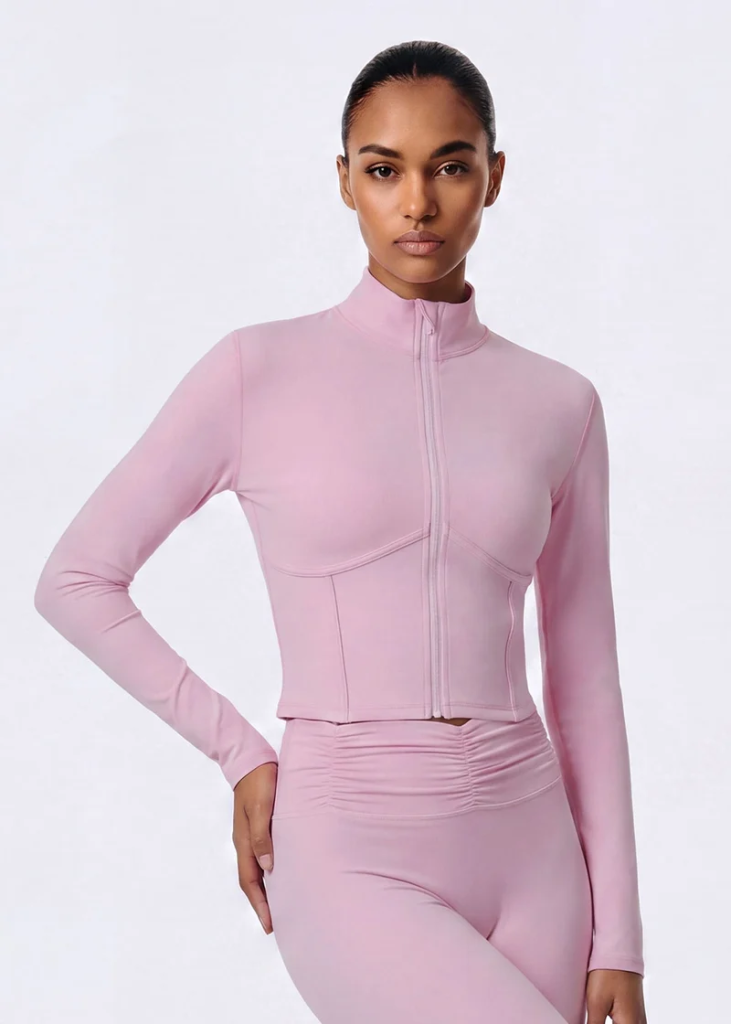
In the rapidly expanding world of wellness and mindful movement, where the ancient practice of yoga has become a global phenomenon embraced by millions, the significance of proper yoga clothes cannot be overstated. These specialized garments are far more than simple workout attire; they represent a thoughtful fusion of functionality, comfort, and personal expression designed to support the unique demands of yoga practice. The ideal yoga clothes provide the freedom of movement required for everything from gentle restorative poses to challenging inversions, while also offering the breathability and moisture management needed to keep practitioners comfortable throughout their session. The industry that produces these garments has evolved significantly, with manufacturers developing increasingly sophisticated fabrics and designs that cater to the diverse needs of yoga practitioners, from beginners attending their first class to experienced instructors leading daily sessions. The global market for yoga clothes continues its robust growth, driven by the increasing popularity of yoga as a form of exercise, stress relief, and lifestyle, as well as the broader athleisure trend that has made yoga-inspired fashion a staple of everyday wardrobes. Understanding the features, materials, and selection criteria for yoga clothes is essential for anyone seeking to enhance their practice and experience the full benefits of this transformative discipline.
The Technical Fabrics That Define Modern Yoga Apparel
The performance and comfort of yoga clothes depend significantly on the technical fabrics used in their construction, with leading brands employing advanced materials that provide stretch, breathability, and moisture management. The four-way stretch capability of modern yoga fabrics enables unrestricted movement in all directions, allowing practitioners to transition seamlessly between poses without feeling constrained by their clothing. The moisture-wicking properties of quality yoga clothes draw sweat away from the skin and disperse it across the fabric surface where it evaporates quickly, preventing the uncomfortable clamminess that can occur with cotton and other natural fibers. The breathability of yoga fabrics is essential for temperature regulation during practice, because the body generates significant heat during even moderate yoga sessions, and fabrics that allow air circulation help prevent overheating. The compression properties of certain yoga garments provide gentle muscle support and improved blood circulation, which can enhance performance and reduce muscle fatigue during prolonged practice. The antimicrobial treatments applied to many yoga fabrics prevent the growth of odor-causing bacteria, keeping garments fresher for longer between washes. The durability of modern yoga fabrics ensures that garments maintain their shape, color, and performance characteristics through repeated wear and washing, providing long-lasting value for practitioners. The technical fabric innovations behind yoga clothes represent a significant advancement in activewear design, enabling practitioners to focus on their practice rather than their clothing.
The Different Types of Yoga Clothes for Various Practices
The diversity of yoga styles and practices has led to the development of specialized yoga clothes designed to meet the specific needs of different approaches, from the vigorous flow of Vinyasa to the gentle stretches of Restorative yoga. For high-intensity styles such as Ashtanga, Power Yoga, and hot yoga, practitioners typically choose form-fitting tops and bottoms made from moisture-wicking, quick-drying fabrics that stay in place during dynamic movement and rapid transitions. The snug fit of these garments prevents fabric from shifting or bunching during inversions and twists, allowing the practitioner to focus completely on their alignment and breath. For slower, more meditative styles such as Hatha and Restorative yoga, practitioners often prefer looser-fitting yoga clothes that allow for maximum comfort and ease of movement, such as wide-leg pants and relaxed-fit tops. The natural fibers like cotton and bamboo are popular choices for these gentler practices, because they provide softness and breathability without the need for intense moisture management. For hot yoga, specialized yoga clothes are engineered with advanced moisture-wicking and quick-drying capabilities to handle the intense sweating that occurs in heated rooms, with many practitioners preferring minimal coverage to maximize cooling. The variety of yoga clothes available ensures that practitioners can select garments that support their specific practice style and personal preferences, enhancing their overall experience.
The Importance of Fit and Comfort in Yoga Apparel
The fit and comfort of yoga clothes are among the most critical factors in selecting appropriate garments for practice, because clothing that is too tight or too loose can distract from the meditative focus that is central to yoga. The yoga clothes should move with the body rather than against it, providing freedom of movement without restricting the range of motion required for different poses. The waistband of yoga bottoms should sit comfortably at the natural waist or slightly below, with wide elastic that distributes pressure evenly and prevents digging or rolling during movement. The leg openings of yoga pants and shorts should provide adequate coverage without being so tight that they restrict circulation or so loose that they bunch up during practice. The bra tops and tank tops designed for yoga should provide appropriate support without constricting the chest or limiting shoulder movement, with many featuring built-in shelf bras or removable cups for added comfort. The length of yoga tops should be sufficient to stay in place during forward folds and inversions, preventing the distraction of fabric shifting or exposure. The inseam of yoga pants and shorts should be appropriate for the practitioner’s height and activity level, with options ranging from full-length to capri to short lengths. The fit and comfort of yoga clothes are essential to creating a practice environment that supports focus and relaxation, because discomfort in clothing can become a significant distraction from the meditative aspects of yoga.
The Sustainability Considerations in Yoga Clothing Production
The increasing awareness of environmental issues has led to growing interest in sustainable yoga clothes, with manufacturers and consumers alike recognizing the importance of reducing the environmental impact of activewear production. The use of recycled materials in yoga clothing is gaining momentum, with brands incorporating recycled polyester from plastic bottles and recycled nylon from fishing nets into their fabrics, reducing waste and conserving resources. The organic cotton and bamboo fabrics are increasingly popular choices for sustainable yoga clothes, because these materials are grown without harmful pesticides and require less water than conventional cotton. The eco-friendly dyeing processes used by some manufacturers reduce water consumption and eliminate the discharge of toxic chemicals into waterways, addressing one of the most significant environmental impacts of textile production. The fair labor practices and ethical manufacturing standards adopted by sustainable yoga clothing brands ensure that garments are produced under conditions that respect workers’ rights and dignity, reflecting the values of the yoga community. The durability of sustainable yoga clothes is another environmental consideration, because garments that last longer reduce the frequency of replacement and the overall consumption of resources. The sustainability considerations in yoga clothing production represent a growing movement within the industry, reflecting the broader values of mindfulness, compassion, and environmental responsibility that are central to the philosophy of yoga.
