Football is captivating not only because of spectacular goals, breathtaking saves, or the outpouring of emotion in the stands, but also because of the system of rules that ensure fairness in the game. Among these,offside rule it has always been one of the concepts that sparks the most debate among fans. There are situations trực tiếp bóng đá the ball was in the net, the player celebrated wildly, but just seconds later the goal was disallowed for offside. This very drama makes it even more important for viewers to understand this rule in order to follow the match more fully.
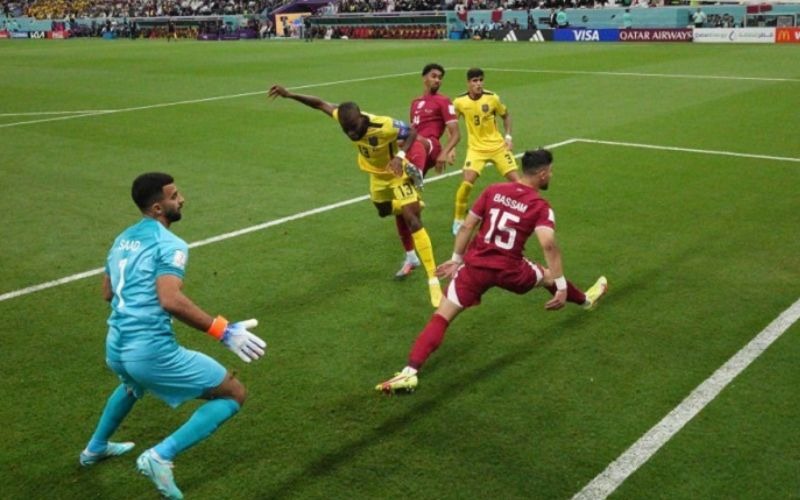
Offside situations typically occur when a striker is behind the opposing defense at the moment a teammate passes the ball.
Understanding the Offside Rule Correctly
Simply put, offside occurs when an attacking player is in an illegally advantageous position relative to the opposing defense at the moment a teammate passes the ball. A player is considered offside if any part of their head, torso, or legs is closer to the opponent’s end line than the ball and closer to the second-to-last defender. Hands and arms are not counted in determining this position.
In essence,offside ruleThis rule was created to prevent attacking players from “waiting” near the opponent’s goal to receive the ball and score too easily. Without this rule, football would lose its tactical aspect, defenses would be difficult to organize, and forwards would simply stay deep in the penalty area waiting for opportunities. As a result, the game becomes more balanced, forcing teams to coordinate, move, and cleverly break through traps.
When does a player commit an offside violation?
A player is not penalized simply for being behind the defensive line. A player is only penalized if they are in an offside position and involved in the play. This involvement could include receiving the ball from a teammate, obstructing the goalkeeper’s view or actions, challenging a defender, or taking advantage of a rebound off the post, crossbar, or an opponent.
For example, a striker is standing behind the last defender when a teammate plays a through ball. If he moves forward to receive the ball and shoots, the linesman has the right to raise the flag. Conversely, if the striker does not touch the ball, does not obstruct an opponent, and another player legitimately runs forward to receive the ball, the situation can continue. This is a point that many newcomers to football easily misunderstand.
Situations where offside is not a violation of the rules.
There are several instances where a player is positioned very deep in the opponent’s half but is not penalized. Firstly, if the player receives the ball from a throw-in, corner kick, or goal kick, the offside rule does not apply. Secondly, if the player is level with the penultimate defender or level with the ball at the moment a teammate passes, that is a valid position.
Furthermore, a player is not penalized if they are only in an offside position but not involved in the play. This is why many situations on the field require the referee to observe very carefully. Sometimes, viewers watching on screen may feel that a player has committed a foul, but from a professional perspective, they did not affect the play, so the game continues.
Why is the offside rule often controversial?
In modern football, the pace of the game is constantly increasing, through passes happen in a split second, and forwards and defenders are only a few centimeters apart. Therefore, determining offside by eye is extremely difficult. A well-timed burst of speed can create a beautiful goal, but if the shoulder or the tip of the boot is raised in front of the defender, the goal can be disallowed.
Controversy also arises because television camera angles sometimes mislead viewers. Depending on the camera’s position, a player might appear to be behind a defender, while the technical line shows he is still legal. This is why big matches are often heavily skewed.Sticky Rice with Peanuts 86broadcastVAR assistance is often needed to make more accurate decisions.
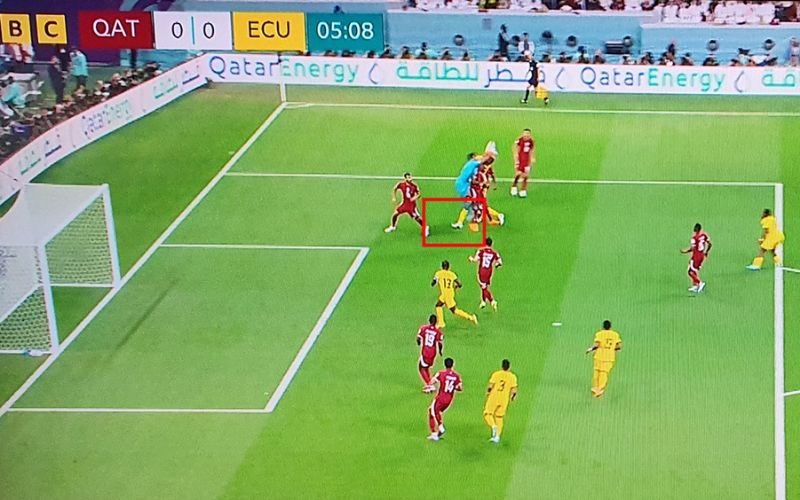
Understanding the offside rule correctly helps viewers easily identify why the linesman raises the flag or why VAR intervenes.
The role of VAR in offside rules
VAR has significantly changed how football handles offside situations. Previously, the decision relied primarily on the linesman. Now, video assistant referee technology allows referees to review the timing of the pass, the position of the attacking player and the defensive defender. Virtual lines are created to determine who is closer to the goal.
While VAR improves accuracy, it sometimes interrupts the excitement of football. Fans may have to wait a few minutes to find out if a goal has been allowed. However, in terms of fairness, this technology helps reduce errors in crucial matches where a single goal can decide an entire season.
Tips for watching football and recognizing the offside rule.
To quickly identify whether a play is at risk of offside, pay attention to the moment the player passes the ball, not the moment the player receives it. This is the most important principle. Many people see a striker receive the ball after they have already beaten the defender and conclude it is offside, but in reality, he may have started legally before that.
According to kqbd Xôi Lạc TV,bYou should also observe the position of the penultimate defender, usually the last center-back if the goalkeeper is still in goal. If the striker is behind this player at the moment the ball leaves a teammate’s foot and participates in the play, the referee is highly likely to award a foul. When watching live on football platforms, having commentators analyze the situation will help viewers understand it better.
The tactical importance of the offside rule
According to Sticky rice with peanuts,tIn football tactics, the offside trap is a very effective defensive weapon. Defenders will all move forward at the exact moment the opponent is about to pass the ball, putting the forward in an illegal position. However, this is also a double-edged sword. If just one defender moves slower than their teammates, the opposing forward can break the trap and face the goalkeeper.
Conversely, good strikers always know how to move on the fine line between legal and offside. They need not only speed, but also the ability to observe, time, and read their teammates’ passing intentions. Top strikers often score goals thanks to their ability to break through at the right moment, turning a seemingly simple pass into a dangerous opportunity.
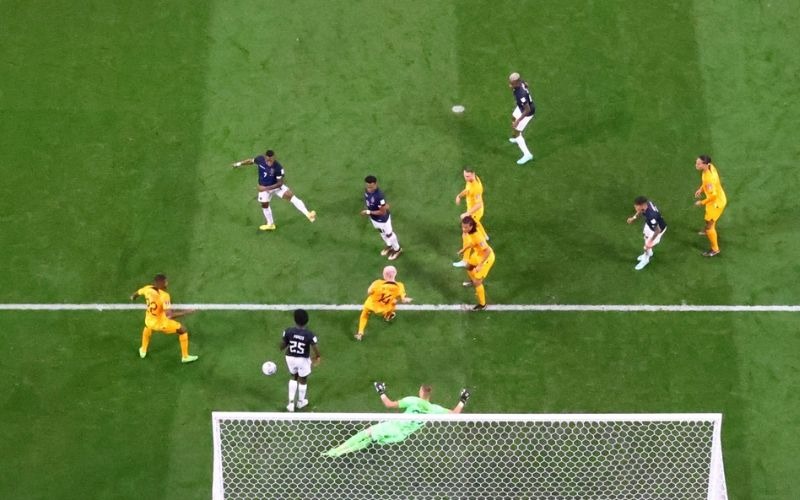
Xoilac Live offers a smooth online football viewing experience, ensuring fans don’t miss any controversial moments.
Conclude
With Sticky Rice with Peanuts 86Fans not only get to enjoy exciting matches but can also closely observe every controversial moment. When understood correctly…offside ruleYou’ll feel the game more deeply, understand why the referee raises the flag, why VAR intervenes, or why a goal is disallowed despite a beautiful shot.
