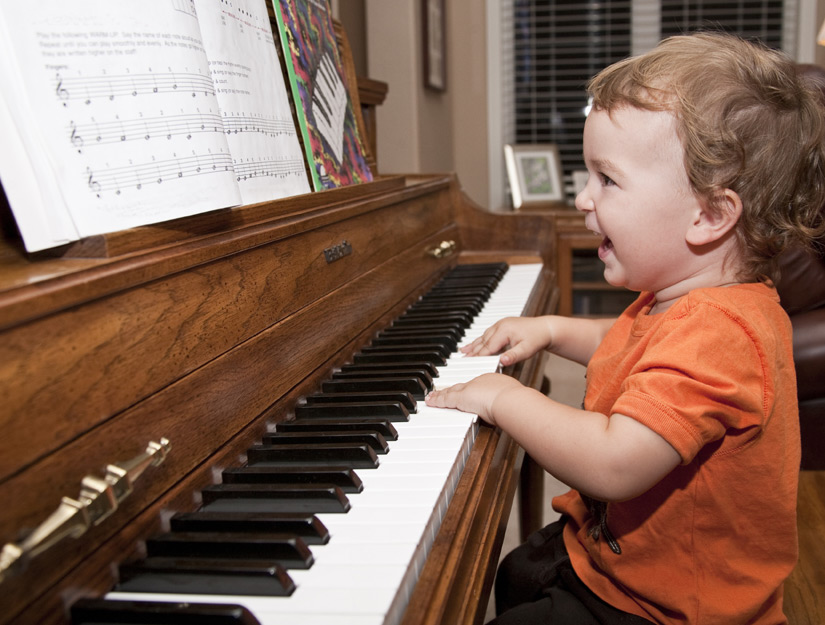
A piano is designed to be played. Whether it sits in a family room, a music studio, or a practice space, regular use helps keep many of its moving parts in good condition and provides enjoyment for years. At the same time, even a frequently played instrument still benefits from routine care. Homeowners often assume that a piano only needs attention when something sounds wrong, but that approach can lead to avoidable wear and reduced performance. Proper piano maintenance and piano tuning remain important regardless of how often an instrument is used. For piano owners in Tampa, FL, understanding the relationship between playing habits and maintenance helps protect both the instrument’s sound and its value.
Why Regular Playing Helps Keep a Piano Healthy
Unlike many household items that wear out faster with use, a piano actually benefits from moderate, consistent playing. Every keystroke activates a complex series of components, including hammers, shanks, dampers, and springs. These parts are designed to move repeatedly, and regular movement helps them continue operating smoothly.
When a piano is played several times each week, its action remains responsive and consistent. Felt components compress evenly, moving joints continue working as intended, and minor issues are often noticed before they become larger problems. This does not mean a piano should be played aggressively for hours every day, but consistent use helps maintain the mechanical balance that manufacturers intended.
Many experienced piano technicians observe that instruments receiving steady use often maintain a more predictable touch than similar pianos left untouched for extended periods.
What Happens When a Piano Sits Unused?
A piano may appear perfectly preserved while sitting quietly in a room, but inactivity affects its internal components over time. Even when no one plays the instrument, wood naturally expands and contracts with seasonal humidity changes, felt continues aging, and metal strings remain under thousands of pounds of tension.
Action Parts Can Become Less Responsive
The piano action contains thousands of individual parts working together with minimal tolerances. When these parts remain stationary for months, friction points may become less responsive, lubricated surfaces may dry slightly, and certain moving parts may begin to stick. Owners often notice sluggish keys or uneven touch after long periods without use.
Dust and Environmental Conditions Continue Working
Unused pianos also accumulate dust inside their cabinets. Fine dust can settle around moving mechanisms, increasing friction. In areas such as Tampa, FL, humidity fluctuations may also affect wooden components regardless of whether the piano is played regularly.
For this reason, inactivity does not eliminate the need for professional service. A silent piano still ages naturally.
Does Frequent Playing Eliminate the Need for Piano Tuning?
Some owners assume that if they play regularly, their piano will somehow stay in tune. The opposite is true. Piano tuning is primarily influenced by string tension, seasonal humidity, and the movement of the wooden soundboard rather than playing frequency.
Every piano contains strings stretched under tremendous tension. As environmental conditions change throughout the year, the soundboard expands and contracts slightly, causing pitch changes that occur whether the instrument is played daily or not.
Professional technicians generally recommend scheduling a piano tuning at least once, and often twice, each year for most home pianos. Instruments used for performances, lessons, or recording sessions may benefit from more frequent service to maintain consistent pitch and touch.
Finding the Right Balance Between Playing and Maintenance
Many piano owners ask how much they should play their instrument. While every situation differs, playing several times a week is usually enough to keep the action running naturally without causing unnecessary wear. Even short practice sessions help keep mechanical parts moving and allow owners to notice any developing issues early.
Regular playing should also be paired with thoughtful care. Keeping the piano away from direct sunlight, heating vents, exterior doors, and excessive moisture helps preserve both its finish and internal structure. Maintaining stable indoor humidity throughout the year also contributes to more consistent performance.
When you combine routine playing with scheduled inspections and professional maintenance, most quality pianos continue performing beautifully for decades.
Professional Care Extends the Life of Every Piano
Every piano eventually requires adjustments beyond routine tuning. Regulation, voicing, cleaning, and minor repairs help preserve the instrument’s responsiveness and musical character as components naturally wear over time.
Professional technicians can identify developing problems before they become expensive repairs. They also verify that the action remains properly regulated and that every note responds evenly across the keyboard.
Whether a piano is played every day or only during family gatherings, professional piano maintenance remains one of the best investments owners can make. Consistent service protects sound quality while helping preserve the instrument for future generations.
Frequently Asked Questions
How often should I schedule piano tuning?
Most residential pianos benefit from professional piano tuning every six to twelve months. Homes with changing humidity levels or heavily used instruments may require more frequent service.
Can a piano go out of tune even if nobody plays it?
Yes. Changes in temperature and humidity affect the wood and string tension, causing pitch changes regardless of playing frequency.
Is playing my piano every day good for it?
Moderate daily playing is generally beneficial because it keeps the action moving smoothly and helps identify developing issues before they become larger repairs.
Why is piano maintenance important for homeowners in Tampa, FL?
The warm, humid climate in Tampa, FL, can influence wood movement and tuning stability. Regular piano maintenance helps reduce the effects of environmental changes while keeping the instrument performing consistently.
A well-maintained piano delivers better sound, smoother touch, and greater reliability throughout its life. Whether your instrument is a treasured family heirloom or a newly purchased piano, routine care makes a noticeable difference. For professional piano maintenance, expert piano tuning, and experienced service, contact Dave’s Piano Showroom to keep your piano in top condition.
