Selecting a piece of furniture that will anchor your reading nook, brighten your bedroom corner, or complete your living room deserves more thought than a quick online scroll. A lounge chair sits at the intersection of comfort, aesthetics, and daily ritual, so getting the choice right pays dividends every time you sink into it. Whether you are furnishing a first apartment, refreshing a family space, or curating a curated home office retreat, the process involves more moving parts than it first appears. This walkthrough breaks the decision into clear, practical stages, from measuring your space and identifying your seating habits to weighing upholstery choices and confirming that the piece will still feel right five years from now. By the end, you will have a framework that turns a potentially overwhelming purchase into a confident, satisfying decision.
Start by Understanding What a Lounge Chair Really Is
Before comparing styles or fabrics, it helps to define the category. The term covers everything from wingback reading chairs and mid-century recliners to sculptural chaise designs and oversized accent seats. What unites them is intent: these are chairs built for extended, relaxed sitting rather than upright dining or brief perching. Recognizing this distinction shifts your criteria. Comfort over long periods matters more than compactness, cushion resilience matters more than novelty, and the visual weight of the piece matters as much as its footprint. Once you accept that you are shopping for a slower kind of seat, the rest of the decisions fall into place more naturally.
It also helps to think about the role the chair will play. Will it be the sole seating in a small bedroom, a companion to a sofa in a larger living room, or a statement piece in an entryway or study? Each role calls for a slightly different silhouette and scale. A well-chosen lounge chair can serve as the visual anchor of a room, so the answer to this question shapes everything from color to armrest height. Taking a few minutes to write down how the chair will actually be used prevents the common trap of buying based on how a piece looks in a showroom rather than how it will perform at home.
Measure Your Space Before You Fall in Love
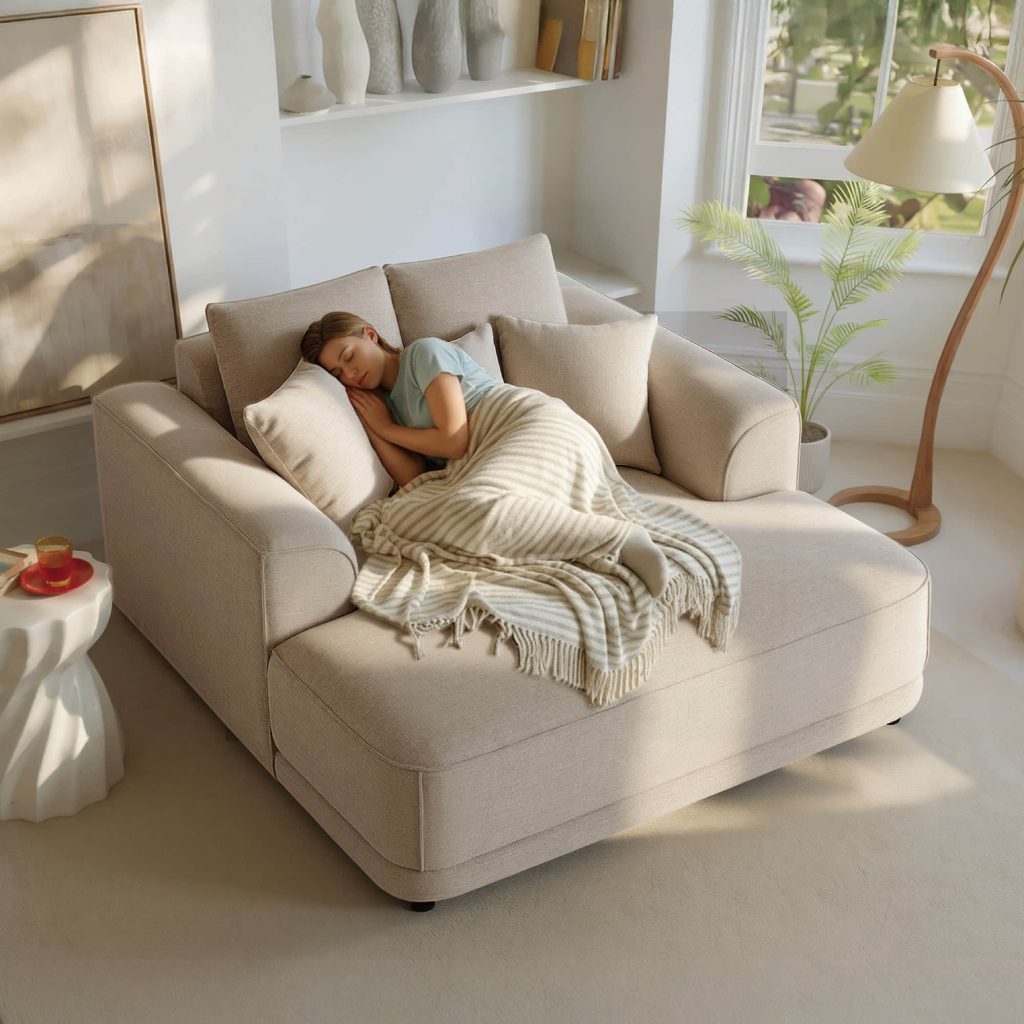
Nothing derails a furniture purchase faster than skipping the tape measure. Begin with the footprint of the chair itself, but do not stop there. Add the swing radius if the seat reclines, the clearance needed to walk around it, and the distance from other furniture so the room still breathes. A generous chair squeezed into a tight corner will read as clutter, while a compact silhouette floating in a large room can feel undersized. Aim for at least three feet of walking space on the primary approach and enough clearance behind the chair for cushions to plump without brushing a wall.
Doorways, staircases, and elevators are the second measurement to record. Deep, one-piece designs occasionally struggle to navigate tight hallways, especially in older buildings. Note the width of every threshold the chair must pass through, and compare against the packaged dimensions listed by the retailer. If the numbers are close, ask whether the legs detach or whether the frame arrives partially assembled. A quick email before checkout can save a return-shipping headache later.
Match the Silhouette to Your Body and Habits
Comfort is deeply personal, and the shape of a chair should follow the way you actually use it. If you like to curl up with a book, a wide seat with soft, enveloping arms will support side-sitting far better than a straight-backed reading chair. If you nap regularly, look for a chaise or an oversized seat where your legs can rest fully. If you use the chair to work from a laptop, a firmer cushion and a taller back will keep your posture from collapsing after an hour. Try to spend at least ten minutes in a similar silhouette before committing, and pay attention to how the front edge of the seat meets the back of your knees.
Seat depth and height often matter more than overall style. A deep seat is heavenly for taller users but leaves shorter sitters perched or slouching. A high seat feels regal but forces short legs to dangle. If you share the chair across household members of different heights, aim for a middle-ground depth of around twenty inches and a seat height in the low seventeens, which suits the widest range of bodies. Look for cushions with a resilient core rather than a purely fluffy fill, since the former holds its shape through years of daily use.
Weigh Upholstery Choices Against Real Life
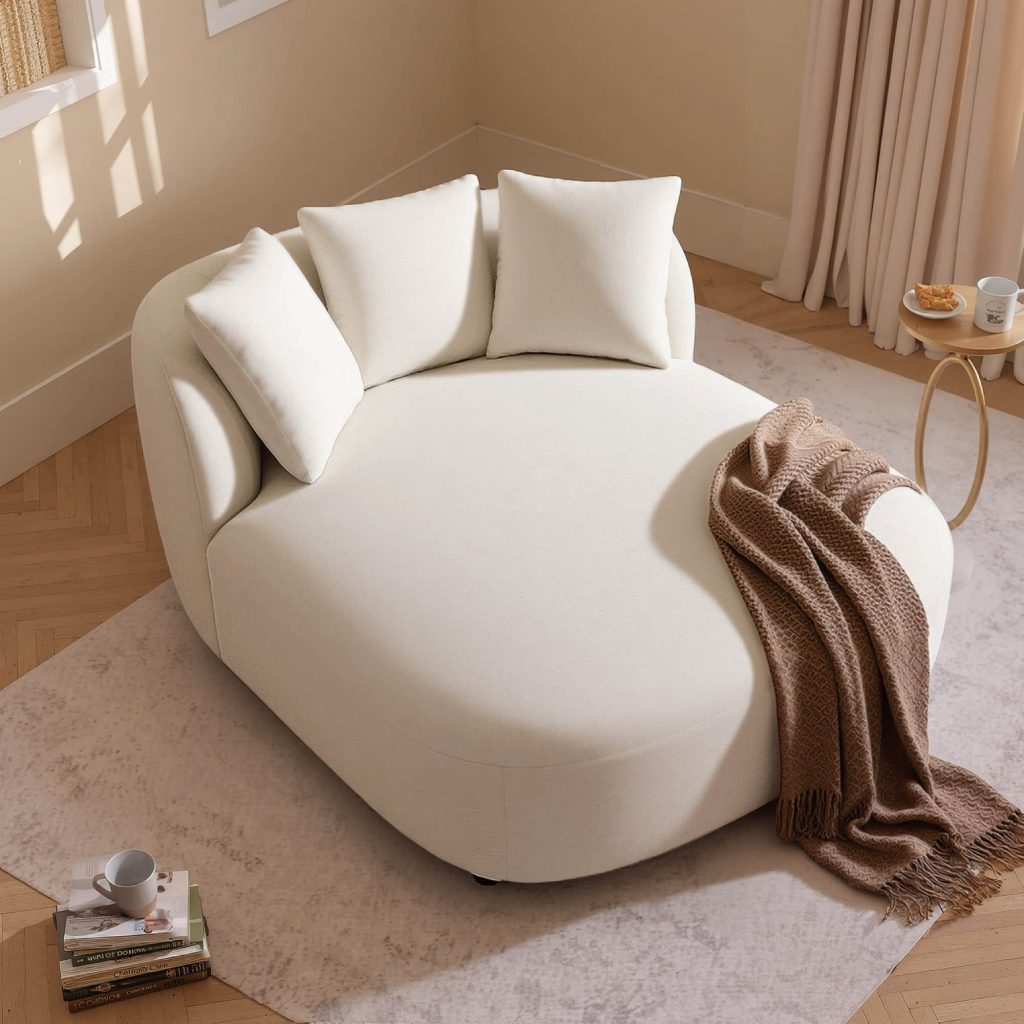
Fabric decisions feel small in the showroom but define the chair’s future. Boucle and chenille bring wonderful texture but tend to catch pet claws. Performance weaves clean up beautifully after coffee spills but can feel less inviting than natural fibers. Full-grain leather ages into something beautiful with regular use, yet requires occasional conditioning and can feel cold in unheated rooms. Velvet reads luxurious under warm light but shows crushing patterns where people sit most often. None of these options is objectively better, so match the fabric to the household rather than to the moodboard.
Color plays the same practical role. A pale neutral opens up a room and photographs well, but it also records every smudge from garden-fresh hands. A saturated jewel tone hides wear and adds personality, but it commits the room to a palette. Consider mid-tone options like warm taupes, muted greens, and soft charcoals when you want longevity without visible upkeep. Ordering swatches remains the single best habit in furniture shopping, because a fabric that reads perfectly on a phone screen can look entirely different against your own wall and floor.
Assess Frame Quality and Construction
A chair that looks identical to another can behave completely differently after a few years, and the reason is almost always inside the frame. Kiln-dried hardwood frames resist warping through humidity swings, while engineered composites can shift or squeak over time. Corner blocks reinforced with glue and screws are a small detail that predicts long-term stability. Ask retailers what the internal frame is made of and whether joinery is doweled, mortised, or simply stapled. Reputable makers publish this information openly.
Suspension systems matter just as much. Sinuous springs offer a firm, even lift and are common in mid-century-inspired pieces. Eight-way hand-tied suspension is the traditional gold standard and rewards you with a deeper, more contouring sit. Webbing systems are lighter and often used in modern minimalist designs. The right choice depends on how you sit, but any of these approaches is better than a foam-only base, which tends to compress unevenly. Longer warranties on frames and springs, sometimes stretching to a decade or more, are a strong signal that the maker trusts the construction.
Coordinate With the Rest of the Room
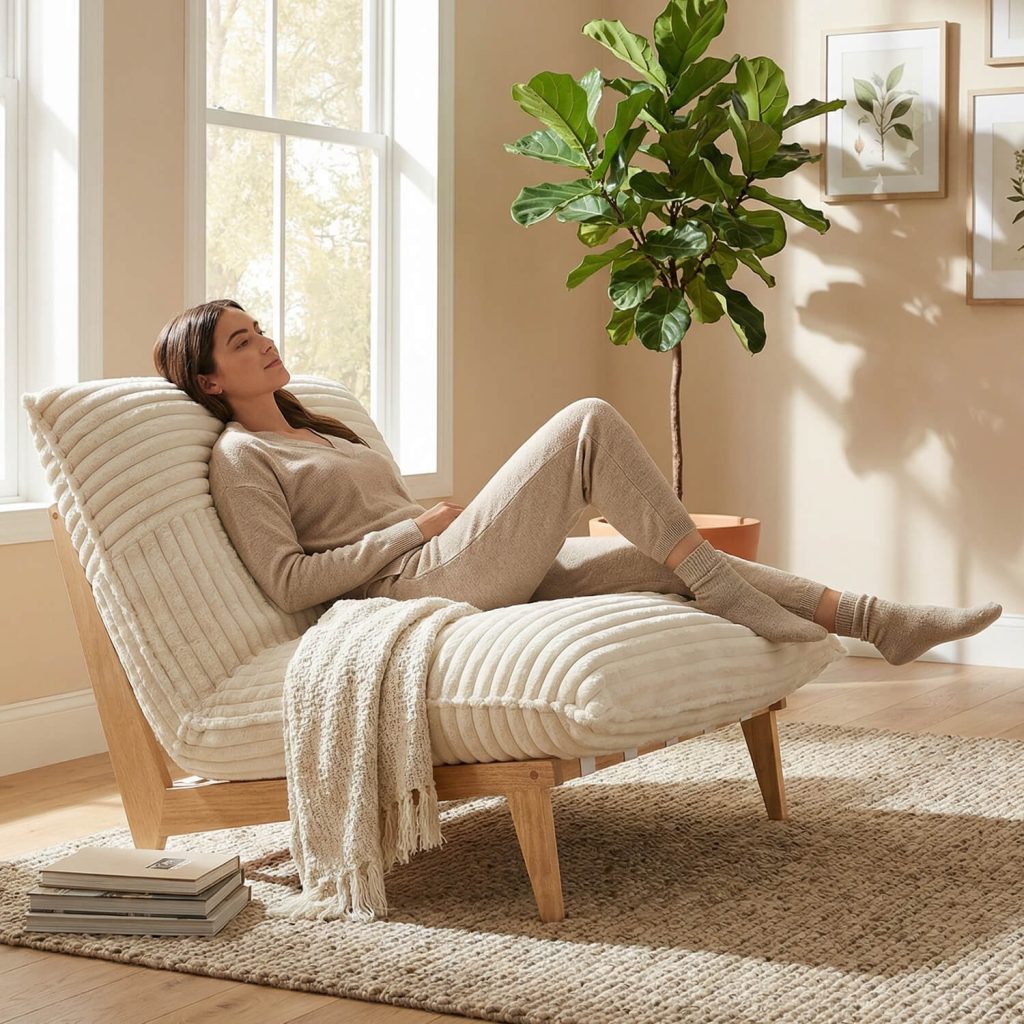
A chair does not live in isolation, so bring the surrounding furniture into your decision. Consider the height of your sofa arm, the finish of nearby wood pieces, and the direction of natural light. A chair placed against a bright window will read darker than the same piece under warm lamplight. Sight lines matter too: a bulky recliner in a small room can block the view to a fireplace or gallery wall, while a slim silhouette allows the eye to travel farther and makes the room feel larger. Curated collections from makers like CHITA LIVING often show pieces in styled contexts, which can help you visualize proportion before making a final call.
Traffic patterns are worth mapping as well. A lounge chair placed in a walking lane will get bumped, and cushions will show wear on one side more than the other. Angling the chair a few degrees off a straight axis often solves this while creating a more inviting conversational grouping. If you plan to pair the chair with an ottoman or side table, sketch the arrangement on paper first, including the reach from the seat to the tabletop, so drinks and books stay comfortably within arm’s length.
Think Ahead to Delivery, Care, and Longevity
The final planning step is often overlooked. Confirm delivery details early, including whether the chair arrives assembled, whether the delivery team will bring it inside, and how packaging will be removed. If you live in a walk-up or a building with strict move-in windows, share this with the retailer before ordering. Cushion covers that unzip for cleaning, replaceable feet, and available touch-up leather kits all extend the life of the piece and turn a good purchase into a lasting one.
Finally, think about the future. Households evolve, and the chair that anchors a bedroom today may drift to a home office in three years or a nursery corner in five. Choosing a silhouette that flexes across rooms, in a fabric and color that plays well with different palettes, protects your investment. The best lounge chairs age like well-loved books: their character deepens with use, and each new setting reveals another way to enjoy them.
Bringing Your Ideal Seat Home With Confidence
Choosing the right chair is less about chasing trends and more about understanding your space, your body, and the rhythm of your daily life. When you approach the process as a series of small, thoughtful decisions rather than one overwhelming choice, the path becomes clear. Measure carefully, sit before you commit, ask about the frame and suspension, and match the upholstery to the reality of your household rather than an aspirational version of it. Follow this roadmap and the chair you bring home will feel like it was always meant to be there, quietly supporting the moments that make a house feel like your own.
