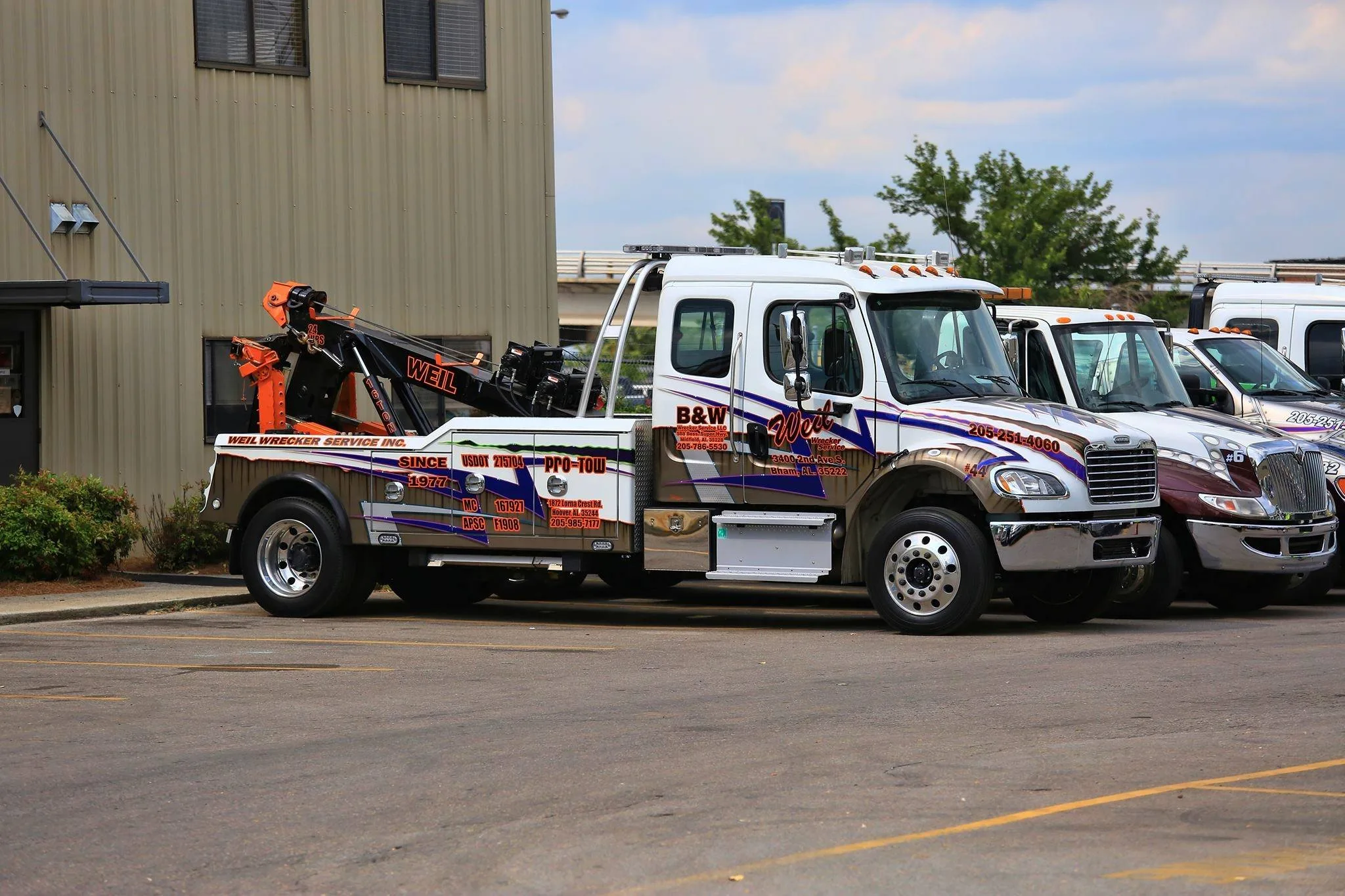
Picture this: you’re hauling a full load down I-85 at 2 a.m. when your semi starts making a sound no truck driver wants to hear. Within minutes, you’re pulled over on the shoulder with flashers on, watching cars zoom past while you wonder how long you’ll be stranded. This scenario happens more often than most people realize, and that’s exactly why Chapel Hill heavy towing services exist. When regular tow trucks simply won’t cut it, specialized heavy-duty operators step in with the equipment and expertise to handle vehicles that weigh tens of thousands of pounds. Whether you’re driving a commercial truck, an oversized RV, or operating construction equipment, knowing what to expect from professional heavy towing can save you hours of frustration and potentially thousands of dollars in damage. The difference between a smooth recovery and a nightmare often comes down to choosing a service that truly understands the unique challenges of moving massive vehicles safely.
What Makes Heavy Towing Different From Regular Towing?
Most people think a tow truck is just a tow truck, but that assumption can lead to serious problems when you’re dealing with large vehicles. Regular tow trucks are designed to handle passenger cars and light trucks, typically anything under 10,000 pounds. In contrast, heavy-duty towing involves specialized equipment built to move vehicles weighing anywhere from 17,000 to over 80,000 pounds. Think of it like comparing a bicycle to a motorcycle – they both have wheels, but they operate in completely different leagues. Heavy tow trucks use rotators, heavy-duty winches, and reinforced booms that can lift and stabilize massive loads without causing damage to the vehicle being recovered. Furthermore, operators need specialized training to understand weight distribution, proper rigging techniques, and safety protocols that simply don’t apply to smaller vehicles.
The equipment alone tells the story of why these services cost more and require dedicated providers. A standard flatbed might use a 10,000-pound winch, whereas heavy-duty recovery trucks often feature winches rated for 50,000 pounds or more. As a result, these trucks can handle situations where a regular tow truck would be completely useless or even dangerous. For example, if your loaded semi breaks down, hooking it to an undersized tow truck could damage both vehicles and create a hazardous situation on the highway. That’s why commercial drivers and fleet managers specifically seek out providers who maintain proper heavy-duty equipment and employ certified operators who understand the physics of moving large loads safely.
Common Heavy Towing Situations in Chapel Hill
Heavy towing calls come in many forms, and understanding the common scenarios helps drivers prepare for potential emergencies. Semi-truck breakdowns represent the most frequent type of call, especially along major corridors where commercial traffic runs constantly. These situations range from engine failures and transmission problems to blown tires and electrical issues that leave a truck immobile. However, RV accidents and breakdowns also keep heavy towing services busy throughout the year, particularly during peak travel seasons when families head out on vacation in their large motorhomes. In addition, construction companies regularly need heavy equipment transported when a bulldozer or excavator breaks down on a job site or needs moving to a new location.
Bus recovery presents its own unique challenges because these vehicles carry passengers and have specific safety requirements. Therefore, operators must work quickly while maintaining strict protocols to ensure everyone’s safety during the recovery process. Agricultural machinery also falls into the heavy towing category, and farmers sometimes need massive tractors or combines moved when they break down in the field or along rural roads. Because of this variety, professional Chapel Hill heavy towing companies maintain diverse equipment fleets capable of handling everything from a stuck concrete mixer to an overturned delivery truck. Each situation requires assessment skills, proper equipment selection, and experience-based judgment that only comes from years of working in the field.
I-85 Heavy Towing: Chapel Hill’s Main Commercial Corridor
Interstate 85 runs right through the heart of Chapel Hill’s commercial district, making it the busiest route for truck traffic in the region. Thousands of commercial vehicles travel this highway daily, transporting goods between major cities and keeping the economy moving. As a result, I-85 heavy towing services experience constant demand from drivers who encounter mechanical failures, accidents, or cargo emergencies along this critical corridor. The highway’s heavy use creates specific breakdown hotspots where recovery services frequently respond to calls.
Response time matters tremendously on I-85 because every minute a disabled truck sits on the shoulder creates traffic hazards and costs the driver money. Professional heavy towing operators familiar with this route know the quickest access points, understand traffic patterns at different times of day, and can navigate to breakdown locations efficiently. For instance, they recognize that the stretch near Durham often experiences congestion during rush hours, so they plan their approach accordingly. On the other hand, late-night calls might allow for faster response but require extra safety precautions due to reduced visibility and higher speeds from passing traffic.
Commercial drivers appreciate providers who understand the unique pressures of I-85 heavy towing situations. Time-sensitive deliveries, perishable cargo, and tight schedules mean that quick, professional recovery directly impacts a driver’s livelihood. Therefore, the best services maintain strategically located trucks ready to respond to I-85 calls within minutes rather than hours. This quick response capability, combined with skilled operators who can assess and execute recoveries efficiently, makes the difference between a minor delay and a major business disruption for commercial carriers using this vital transportation artery.
Navigating I-73 and I-74 Heavy Duty Towing Challenges
While I-85 carries the highest volume of commercial traffic, I-73 heavy duty towing and I-74 heavy duty towing present their own distinct challenges that require specialized local knowledge. These routes connect Chapel Hill to other regions but feature different terrain, exit patterns, and traffic characteristics compared to the main interstate. I-73 includes sections with steeper grades and tighter curves, which can stress heavy vehicles and lead to brake failures or overheating issues. Similarly, I-74 passes through areas where recovery access becomes more complicated due to limited shoulder space and fewer exit options.
Weather conditions affect these highways differently throughout the year, creating seasonal challenges for heavy-duty towing operations. Winter ice and summer storms can make recovery operations particularly tricky on elevated sections or bridges common along these routes. Furthermore, the mix of local and through traffic on I-73 and I-74 means that disabled vehicles often create unexpected bottlenecks that require careful coordination with law enforcement and traffic management teams. Professional operators working these highways understand how to position their equipment safely while minimizing disruption to traffic flow.
The distance between major exits on portions of I-73 and I-74 also influences recovery strategies and response planning. If a heavy vehicle breaks down in a remote section, the towing service might need to approach from a different direction or bring additional equipment to handle a longer recovery operation. Because of this, experienced I-74 heavy duty towing providers maintain detailed knowledge of every mile of their service area, including bridge clearances, turnaround points, and safe staging areas. This geographical expertise, combined with proper equipment and trained personnel, ensures that even challenging recoveries on these secondary interstates get handled professionally and efficiently.
The Equipment Behind Professional Chapel Hill Heavy Towing
Walking onto a heavy towing company’s lot reveals an impressive array of specialized trucks that most people never see up close. The largest recovery vehicles, called rotators, feature rotating booms that can extend 30 feet or more and lift entire trucks off the ground. These machines represent serious engineering, with hydraulic systems powerful enough to right an overturned semi or lift a fully loaded dump truck. In addition, heavy-duty flatbeds use reinforced frames and multiple axles to distribute weight properly when transporting disabled vehicles that can’t be towed with wheels on the ground.
The winching systems on professional heavy tow trucks deserve special attention because they perform the actual heavy lifting during recovery operations. Modern winches use steel cables or synthetic ropes rated for extreme loads, and operators must understand proper rigging techniques to distribute forces safely. For example, recovering a truck from a ditch requires careful calculation of pull angles, anchor points, and incremental movements to avoid causing additional damage. That’s why equipment alone doesn’t make a quality heavy towing service; the operators must know how to use these powerful tools correctly and safely.
Professional Chapel Hill heavy towing companies invest hundreds of thousands of dollars in their equipment fleets, and they maintain everything meticulously to ensure reliability during emergencies. Key equipment types include:
- Heavy-duty rotators for complex recovery situations
- Integrated tow trucks that combine lifting and towing capabilities
- Landoll trailers for low-clearance or specialized vehicle transport
- Underlift systems that support vehicles from beneath rather than from behind
- Specialized rigging gear including chains, straps, and spreader bars rated for heavy loads
Regular maintenance schedules keep this equipment ready for action because a towing company’s truck breaking down during a recovery would create an unacceptable situation for everyone involved.
What to Do When You Need Heavy Towing Services
The moment you realize your heavy vehicle won’t go any further, your actions during the next few minutes significantly impact how smoothly the recovery proceeds. First, get your vehicle as far off the roadway as safely possible and activate your hazard lights immediately to warn approaching traffic. Next, set out warning triangles or flares according to commercial vehicle safety regulations, positioning them at appropriate distances behind your disabled vehicle. Then, move yourself and any passengers to a safe location away from traffic while you call for help.
When contacting a heavy towing service, providing accurate information helps them dispatch the right equipment and prepare for your specific situation. Tell them exactly what type of vehicle needs recovery, including approximate weight and whether it’s loaded or empty. Also, describe your precise location using mile markers, exit numbers, or landmarks rather than vague descriptions. In addition, explain the nature of the problem – whether the vehicle rolled over, broke down mechanically, or got stuck – because different situations require different recovery approaches and equipment.
While waiting for the tow truck to arrive, gather important documents like your registration, insurance information, and any relevant commercial vehicle permits. Furthermore, take photos of your vehicle’s condition and position before the recovery begins, as this documentation can prove valuable for insurance claims or incident reports. If you’re hauling cargo, contact your dispatcher or fleet manager to report the situation and discuss whether the load needs special handling or transfer to another vehicle. Finally, stay in communication with the towing service so they can update you on their estimated arrival time and confirm they’re heading to the correct location.
Choosing a Reliable Heavy Towing Provider in Chapel Hill
Not all towing companies that claim to offer heavy-duty services actually have the equipment and expertise to handle large vehicles properly. Therefore, knowing what separates professional operations from inadequate ones protects you from choosing a provider who can’t deliver when you’re stranded. Start by verifying that the company maintains proper business licensing, adequate insurance coverage, and any required certifications for commercial vehicle recovery. Legitimate Chapel Hill heavy towing providers willingly share this information because they understand that professional credentials build customer confidence.
Response time expectations represent another critical factor when evaluating potential towing services. Ask how long they typically take to reach disabled vehicles on major highways like I-85 during different times of day. While no company can guarantee exact arrival times due to variables like traffic and weather, experienced providers give realistic estimates based on actual response data. On the other hand, companies that promise unrealistically fast response regardless of circumstances might be overselling their capabilities.
Equipment standards directly determine what kinds of recoveries a company can handle safely and effectively. Tour their facility if possible, or ask detailed questions about their truck fleet, including the types of tow vehicles they operate and how they maintain their equipment. Furthermore, inquire about their operators’ training and experience levels, particularly with vehicles similar to yours. Professional companies employ certified operators who participate in ongoing training to stay current with recovery techniques and safety protocols. These providers also carry proper insurance that covers both their equipment and your vehicle during recovery operations, protecting you from liability if something goes wrong during the towing process.
The Cost Factor: Understanding Heavy Towing Pricing
Heavy towing costs significantly more than regular vehicle towing, and understanding why helps drivers avoid sticker shock when they receive their bill. The primary cost driver involves the specialized equipment required to move large vehicles safely. Companies invest enormous sums in heavy-duty trucks, and those costs get distributed across their service calls through higher base rates. In addition, heavy towing operations often require multiple crew members rather than a single operator, which doubles or triples the labor costs compared to standard towing.
Distance plays a major role in final pricing because heavy tow trucks consume fuel at much higher rates than regular vehicles, especially when pulling or carrying a loaded commercial truck. Therefore, a recovery that involves transporting a disabled vehicle 50 miles will cost substantially more than a 5-mile tow to a nearby repair facility. Time of day also affects pricing, as after-hours, weekend, and holiday calls typically carry premium rates to compensate operators for being available during non-business hours. However, these surcharges ensure that services remain available when emergencies happen regardless of the time.
Recovery complexity represents the hardest cost factor to predict in advance because each situation presents unique challenges. A simple breakdown on a level highway shoulder with easy access costs far less than recovering an overturned truck from a ditch or extracting a vehicle stuck in mud. Furthermore, some situations require additional equipment like cranes or specialized rigging gear that increases the overall cost. While heavy towing isn’t cheap, professional services provide transparent pricing explanations and itemized invoices that show exactly what you’re paying for and why those charges apply to your specific recovery situation.
Final Words
Breaking down in a heavy vehicle creates stress and uncertainty, but having access to professional Chapel Hill heavy towing services turns a potential disaster into a manageable situation. The key lies in understanding what separates qualified providers from those who lack the proper equipment and expertise to handle large vehicle recoveries safely. Whether you’re dealing with a disabled semi on I-85, facing mechanical failure on I-73, or experiencing trouble along I-74, choosing a reputable heavy-duty towing service ensures your vehicle gets recovered without additional damage and you get back on the road as quickly as possible. Take time now to research available providers, save contact information for reliable services, and understand what to expect during a heavy towing operation. This preparation means that when an emergency strikes, you’ll know exactly who to call and what steps to take to protect yourself, your vehicle, and your cargo during the recovery process.
FAQs
Q1: How much does Chapel Hill heavy towing typically cost?
Heavy towing costs vary based on vehicle size, distance, and recovery complexity, but generally start at several hundred dollars and can reach thousands for complicated situations. Factors like time of day, equipment needed, and whether the vehicle is loaded all influence the final price.
Q2: How long does it take for a heavy tow truck to arrive after I call?
Response times for Chapel Hill heavy towing services typically range from 30 minutes to 2 hours depending on your location, traffic conditions, and the company’s current call volume. Companies serving major routes like I-85 often respond faster because they position trucks strategically along high-traffic corridors.
Q3: Can any tow truck handle my RV or commercial vehicle?
No, regular tow trucks cannot safely handle vehicles over 10,000 pounds. You need specialized heavy-duty equipment operated by trained professionals who understand proper rigging and recovery techniques for large vehicles.
Q4: What information should I provide when calling for heavy towing?
Tell the dispatcher your exact location using mile markers or exit numbers, describe your vehicle type and approximate weight, explain whether it’s loaded or empty, and detail the problem you’re experiencing. This information helps them send the right equipment and crew for your specific situation.
Q5: Do heavy towing companies operate 24/7?
Most professional heavy towing services maintain 24-hour availability because breakdowns and accidents happen at any time. However, after-hours calls typically cost more due to premium rates for nighttime, weekend, and holiday service.
