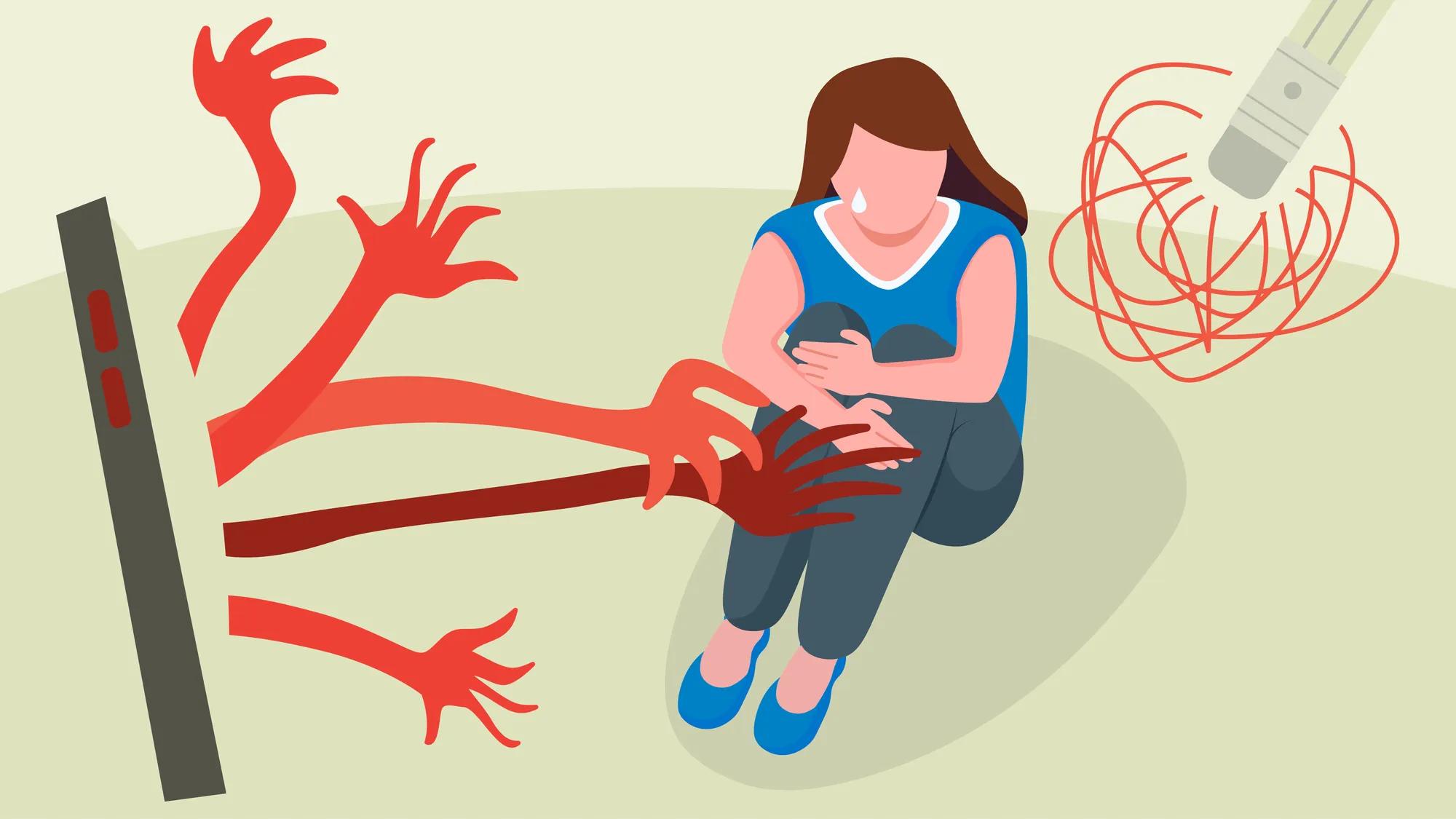
Trauma can have a profound and lasting impact on a person’s emotional, psychological, and physical well-being. Whether it results from a single distressing event or prolonged exposure to difficult experiences, trauma can affect how individuals think, feel, and interact with the world around them. When traumatic experiences lead to ongoing symptoms that interfere with daily life, professional treatment becomes essential. Trauma disorder therapy provides structured, evidence-based support to help individuals process painful experiences, develop coping strategies, and move toward recovery.
Understanding Trauma Disorders
A trauma disorder develops when an individual struggles to recover after experiencing or witnessing a distressing event. These events may include accidents, natural disasters, abuse, violence, military combat, loss of a loved one, or other life-threatening situations. While many people experience stress after traumatic events, some continue to experience symptoms that significantly impact their quality of life.
Common symptoms of trauma-related disorders include:
- Intrusive memories or flashbacks
- Nightmares and sleep disturbances
- Anxiety and panic attacks
- Emotional numbness
- Hypervigilance or feeling constantly on edge
- Difficulty concentrating
- Irritability and mood swings
- Avoidance of trauma-related reminders
- Feelings of guilt, shame, or hopelessness
Without appropriate treatment, these symptoms can persist for months or even years, affecting relationships, work performance, and overall health.
The Importance of Trauma Disorder Therapy
Trauma disorder therapy is specifically designed to help individuals understand and process traumatic experiences in a safe and supportive environment. Therapy not only addresses symptoms but also helps individuals rebuild a sense of safety, control, and emotional stability.
Many people hesitate to seek treatment because they fear reliving painful memories. However, modern trauma-focused therapies are carefully structured to ensure that clients progress at a pace that feels manageable. Therapists use specialized techniques to reduce distress while helping individuals process unresolved trauma.
The goal of therapy is not to erase traumatic memories but to reduce their emotional intensity and prevent them from controlling a person’s life.
Common Types of Trauma Disorder Therapy
Several therapeutic approaches have been proven effective in treating trauma-related disorders. Mental health professionals often tailor treatment plans to meet each individual’s unique needs and experiences.
1. Cognitive Behavioral Therapy (CBT)
Cognitive Behavioral Therapy is one of the most widely used treatments for trauma disorders. CBT focuses on identifying and changing negative thought patterns that contribute to emotional distress.
Individuals learn to:
- Recognize unhelpful beliefs related to trauma
- Challenge distorted thinking
- Develop healthier coping strategies
- Reduce avoidance behaviors
- Improve emotional regulation
CBT helps clients understand the connection between thoughts, emotions, and behaviors, empowering them to respond more effectively to trauma-related triggers.
2. Trauma-Focused Cognitive Behavioral Therapy (TF-CBT)
Trauma-Focused CBT is a specialized form of cognitive behavioral therapy developed specifically for trauma survivors, particularly children and adolescents.
TF-CBT combines traditional CBT techniques with trauma-sensitive interventions that help individuals:
- Process traumatic memories
- Develop coping skills
- Reduce emotional distress
- Strengthen support systems
- Improve family communication when appropriate
This structured approach has shown strong success in reducing trauma symptoms and improving overall functioning.
3. Eye Movement Desensitization and Reprocessing (EMDR)
EMDR is an innovative therapy that helps individuals process traumatic memories through guided bilateral stimulation, such as eye movements or tapping.
During EMDR sessions, clients focus on distressing memories while engaging in specific eye movement exercises directed by the therapist. This process helps the brain reprocess traumatic experiences, reducing their emotional impact.
Many individuals report significant symptom relief after completing EMDR treatment, making it a popular option for trauma recovery.
4. Exposure Therapy
Exposure therapy helps individuals gradually confront trauma-related memories, situations, or triggers that they have been avoiding.
The process occurs in a safe and controlled environment where clients learn that trauma reminders are no longer dangerous. Over time, repeated exposure can reduce fear responses and improve confidence.
Exposure therapy is particularly effective for individuals experiencing severe avoidance behaviors and anxiety related to trauma.
5. Somatic Therapy
Trauma affects not only the mind but also the body. Somatic therapy focuses on physical sensations and bodily responses associated with traumatic experiences.
Techniques may include:
- Breathing exercises
- Body awareness practices
- Movement-based interventions
- Relaxation techniques
- Nervous system regulation exercises
By addressing the body’s response to trauma, somatic therapy can help individuals release stored tension and improve emotional well-being.
What to Expect During Trauma Therapy
The therapeutic process typically begins with a comprehensive assessment. The therapist gathers information about the individual’s symptoms, history, current challenges, and treatment goals.
Early sessions often focus on establishing trust and building coping skills before discussing traumatic experiences in depth. This foundation helps clients feel safe and supported throughout treatment.
As therapy progresses, individuals work through trauma-related memories and emotions while learning new ways to manage stress and emotional reactions. The pace of treatment varies depending on each person’s needs and comfort level.
Therapy may be conducted individually, in groups, or with family involvement when appropriate.
Benefits of Trauma Disorder Therapy
Successful trauma therapy can lead to significant improvements in many areas of life. Some of the most common benefits include:
- Reduced anxiety and fear responses
- Improved emotional regulation
- Better sleep quality
- Increased self-confidence
- Healthier relationships
- Enhanced coping skills
- Greater resilience
- Improved concentration and productivity
- Reduced symptoms of depression
- A stronger sense of personal empowerment
These benefits often extend beyond symptom relief, helping individuals build a more fulfilling and meaningful life.
Supporting Recovery Outside of Therapy
While professional treatment plays a central role in recovery, self-care practices can complement the therapeutic process.
Helpful strategies include:
- Maintaining a regular sleep schedule
- Engaging in physical activity
- Practicing mindfulness and relaxation techniques
- Building supportive relationships
- Limiting substance use
- Journaling thoughts and emotions
- Participating in enjoyable activities
Recovery is often most effective when therapy is combined with healthy lifestyle habits and strong social support.
As access to mental health services continues to expand, platforms such as ReachLink are helping individuals connect with licensed professionals who specialize in trauma-related care. Online therapy options can provide greater flexibility, convenience, and accessibility for those seeking support while managing the challenges associated with trauma recovery.
Conclusion
Trauma disorder therapy offers a path toward healing for individuals struggling with the lasting effects of traumatic experiences. Through evidence-based approaches such as CBT, EMDR, exposure therapy, and somatic interventions, individuals can process difficult memories, develop healthier coping mechanisms, and regain a sense of control over their lives. While recovery takes time and commitment, effective therapy can help transform pain into resilience, allowing individuals to move forward with greater confidence, emotional balance, and hope for the future.
