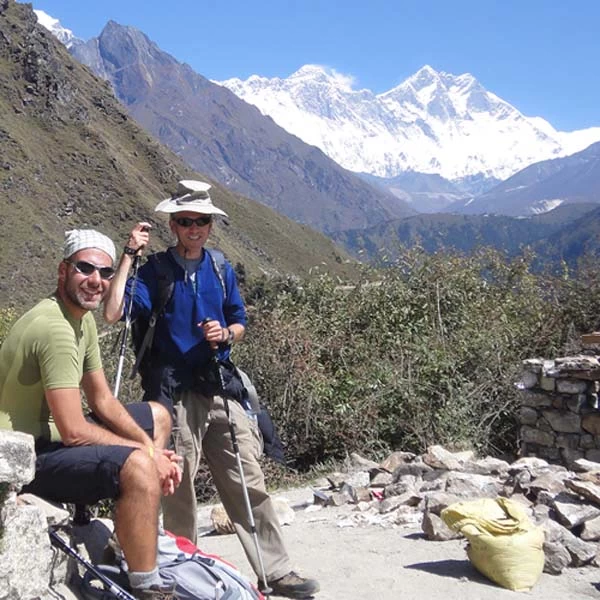
There’s a reason people save up for years, train for months, and still show up at Lukla airport with shaky hands and wide eyes. Trekking in Nepal isn’t just a bucket list line item; it’s the kind of trip that rearranges your sense of what your legs (and lungs) can do. And these days, you don’t even have to walk the whole way to feel it. Between the classic Everest Base Camp Trek and the increasingly popular Everest Base Camp Heli Tour, there’s a version of this adventure for almost everyone, whether you’ve got three weeks and sturdy knees or three days and a taste for luxury. This guide walks you through both routes, literally and figuratively, so you can figure out which one fits your fitness, your time off work, and your travel style.
Why Trekking in Nepal Remains a Dream Adventure
Home of the World’s Highest Mountains
Nepal is home to eight of the world’s fourteen peaks over 8,000 meters, Everest chief among them. You don’t need to submit anything to feel small and thrilled standing beneath these mountains; that’s part of the pull of trekking in Nepal in the first place.
Incredible Himalayan Landscapes
One day you’re walking through a pine forest and rhododendron blooms; the next, you’re crunching over glacial moraine with nothing but rock and ice around you. Few trekking regions on earth shift scenery this dramatically over just a couple of weeks.
Rich Sherpa Culture and Buddhist Heritage
Prayer flags snapping in the wind, mani walls, and monasteries tucked into hillsides—the Khumbu region isn’t only about altitude; it’s a living culture. Sherpa hospitality, in particular, tends to leave a bigger impression on people than the mountains do.
Adventure for Every Type of Traveler
Solo backpackers, honeymooning couples, retired grandparents wanting a taste of the Himalayas without the multi-week slog—there’s genuinely a route or a tour style for each of them, which is exactly why Nepal trekking keeps growing as a destination.
Why Nepal Attracts Thousands of Trekkers Every Year
Between accessible permits, an established teahouse network, and guides who’ve been doing this for generations, Himalayan trekking here is more approachable than most people assume before they arrive.
Everest Base Camp Trek – The Classic Himalayan Journey
Overview of the Everest Base Camp Trek
This is the trek,the one most people picture when they imagine Everest trekking at all. It typically runs 12 to 14 days round trip, weaving through Sherpa villages before ending at the foot of the world’s tallest mountain.
Where the Trek Begins
Almost every itinerary starts with a short, notoriously hair-raising flight into Lukla, followed by a walk down into the Dudh Koshi valley.
Major Stops Along the Route
The trail passes through a string of villages that become oddly familiar by the end of the trip: Phakding, Namche Bazaar (the unofficial capital of the Khumbu), Tengboche with its famous monastery, Dingboche, Lobuche, and finally Gorakshep, the last stop before Everest Base Camp itself. Most trekkers also detour up Kala Patthar for the best unobstructed views of Everest’s summit.
Why This Trek Is So Popular
It’s not the hardest trek in Nepal nor the most remote, but it offers the single best combination of accessibility, infrastructure, and payoff. You get Everest, in other words, without needing mountaineering skills.
What Makes the Journey Unforgettable
It’s rarely one big moment. It’s the first glimpse of Everest from Namche, the tea and biscuits in a warm lodge after a cold day’s walk, and the quiet at Base Camp once the excitement wears off. That slow build is what makes the Base Camp adventure stick with people long after they’re home.
Everest Base Camp Heli Tour – Experience Everest from the Sky
What Is an Everest Base Camp Heli Tour?
An Everest Base Camp Heli Tour compresses the highlights of the trek into a single day, flying you over the same peaks and valleys trekkers spend two weeks walking through.
How the Helicopter Journey Works
Most tours depart early from Kathmandu, refuel in Lukla or Syangboche, then continue toward Kala Patthar or Everest Base Camp with a landing for photos before heading back the same day.
Landing Points and Scenic Highlights
Depending on the weather and the operator, you might land near Kala Patthar for those postcard Everest views or closer to Base Camp itself—either way, you’re seeing Everest, Lhotse, and Nuptse from an angle almost no trekker gets.
Who Should Choose a Helicopter Tour?
If squeezing weeks off work isn’t realistic, or if long, high-altitude walking just isn’t in the cards physically, this is where the Everest helicopter tour earns its popularity.
Why It Is Becoming Increasingly Popular
Time-poor travelers, older visitors, and people simply wanting a scenic flight over Everest without the physical toll have made this one of the fastest-growing ways to experience the region.
Everest Base Camp Trek vs. Everest Base Camp Heli Tour
| Feature | Everest Base Camp Trek | Everest Base Camp Heli Tour |
| Duration | 12–14 days | 1 day |
| Difficulty | Moderate to challenging | Low |
| Fitness Level | Good stamina required | Minimal fitness needed |
| Cost | Moderate | Higher per day |
| Scenic Experience | Gradual, immersive | Fast, panoramic |
| Adventure Level | High, physically earned | High, but effortless |
| Time Required | Two weeks or more | A few hours |
| Best For | Adventurers, hikers, budget travelers | Families, seniors, luxury travelers |
Best Time for Trekking in Nepal and Everest Adventures
Spring Season
March to May brings mild days, blooming rhododendrons, and generally clear morning skies—arguably the best all-around season for trekking in Nepal.
Autumn Season
September through November is the other prime window, with crisp air and some of the most reliable mountain visibility of the year.
Winter Experience
December to February is quieter and colder, with snow at higher elevations, but it can still work for trekkers who don’t mind the chill and want fewer crowds.
Summer and Monsoon Conditions
June to August bring rain and clouds to most of Nepal, though the Everest region, sitting in a rain shadow, is more forgiving than people expect.
Best Season for Everest Base Camp Trek
In spring and autumn, hands down, trail conditions and visibility are both at their best.
Best Season for Everest Base Camp Heli Tour
Also, spring and autumn, since clear skies matter even more when your entire trip hinges on a single flight window.
How Difficult Is the Everest Base Camp Trek?
Physical Fitness Requirements
You don’t need to be an athlete, but a solid base of cardio fitness makes a real difference on the long uphill days.
Walking Hours Per Day
Expect five to seven hours of walking most days, with some short, sharp climbs and long, gentle stretches in between.
Altitude Challenges
Above 3,500 meters, altitude becomes the real challenge—more than fitness, more than distance.
Acclimatization Importance
Built-in rest days at Namche and Dingboche exist for a reason. Skipping them to save time is one of the most common trekking mistakes people make.
Beginner-Friendly Tips
Go slow, drink more water than feels necessary, and don’t be shy about telling your guide if you’re feeling off.
Who Should Choose an Everest Base Camp Heli Tour Instead?
Families with young kids, senior travelers who want the view without the strain, luxury travelers who’d rather skip teahouse dorms altogether, and anyone on a short holiday all tend to gravitate toward the heli option. It’s also become a favorite for honeymoon couples wanting something memorable but not exhausting and for photographers chasing that clean aerial shot of Everest that’s simply impossible on foot.
Cost Factors for Trekking in Nepal
Everest Base Camp Trek Cost Includes
Permits, guide and porter fees, teahouse lodging, and meals along the trail.
Everest Base Camp Heli Tour Cost Includes
The flight itself, fuel surcharges, and often a landing fee plus refreshments at a scenic stop.
What Can Affect the Overall Budget?
Season, group size, whether you go private or join a group tour, the standard of accommodation you choose, ground transportation, guide and porter arrangements, and — for heli tours specifically — whether you’re sharing the helicopter or booking it privately.
Essential Preparation Before Your Everest Adventure
Physical Preparation
A few months of hiking, stair climbing, or cardio training go a long way if you’re doing the full trek.
Travel Insurance
Get insurance that explicitly covers high-altitude trekking and helicopter evacuation — standard travel policies often don’t.
Necessary Permits
You’ll need the Sagarmatha National Park permit and the local Khumbu Pasang Lhamu Rural Municipality permit for the trekking route.
Packing Essentials
Layered clothing, a good sleeping bag, sturdy boots, and a decent headlamp cover most of what you’ll actually use.
Hiring a Guide or Porter
Not strictly required by law on this route anymore, but genuinely worth it for safety, local knowledge, and honestly, just having someone to chat with on long days.
Accommodation and Food During the Everest Base Camp Trek
Tea Houses
Simple, family-run lodges are the backbone of the trail—basic rooms, warm common areas, and the occasional yak-dung stove keeping things cozy.
Mountain Lodges
Higher up, options get simpler, but you’ll still find a hot meal and a bed most nights.
Local Nepalese Meals
Dal bhat is the trekker’s fuel of choice,and for good reason, since most lodges offer free refills.
Drinking Water Options
Boiled water, purification tablets, or bottled water are all available, though bringing your own filter saves money and plastic.
Internet and Charging Facilities
Wi-Fi and charging are available at most teahouses, usually for a small fee that climbs the higher you go.
Safety Tips for Trekking in Nepal
Preventing Altitude Sickness
Ascend gradually, and don’t push through early symptoms hoping they’ll pass on their own.
Staying Hydrated
Aim for more water than you think you need; dehydration mimics and worsens altitude symptoms.
Walking at Your Own Pace
This isn’t a race against other trekkers, and slower is almost always safer at altitude.
Following Weather Updates
Mountain weather shifts fast, so lean on your guide’s read of conditions rather than your own.
Choosing a Reliable Trekking Company
A well-reviewed, licensed operator makes a bigger difference to your safety and comfort than almost any gear choice.
Sustainable Trekking in Nepal
Respect Local Culture
Simple things, like asking before photographing people and dressing modestly near monasteries, go a long way.
Reduce Plastic Waste
Carry a reusable bottle and a filter instead of buying bottled water at every stop.
Support Local Communities
Choosing local teahouses, guides, and porters keeps tourism money in the communities that host you.
Leave No Trace Principles
Pack out what you pack in, and stick to marked trails to protect fragile alpine terrain.
Which Everest Adventure Is Right for You?
If you love adventure and have the time, the Everest Base Camp Trek is still the fuller, more rewarding experience; it’s earned in a way the heli tour simply isn’t. If your vacation days are limited or long days of walking aren’t realistic for you, the Everest Base Camp Heli Tour delivers the same jaw-dropping views without the physical demand. Traveling with family or aging parents? The heli tour usually wins. Chasing the perfect photo, or simply wanting the complete, immersive Himalayan experience? The trek is worth every blister.
Conclusion
However you choose to experience it, trekking in Nepal has a way of staying with you long after the flight home. The Everest Base Camp Trek remains the gold standard for travelers wanting the full, hard-earned Himalayan story, the villages, the altitude, and the slow reveal of Everest over two unforgettable weeks. The Everest Base Camp Heli Tour, meanwhile, has carved out its own place for those short on time or stamina but not on ambition, delivering the same mountains from a completely different vantage point. There’s no wrong choice here, only the one that fits your legs, your calendar, and your sense of adventure. Either way, Everest is waiting; the only real question is whether you walk to it or fly to it.
Frequently Asked Questions
What is the best time for trekking in Nepal? Spring (March–May) and autumn (September–November) offer the clearest skies and most stable trail conditions.
How difficult is the Everest Base Camp Trek? It’s moderately challenging; the walking itself isn’t technical, but the altitude makes it demanding for most people.
How many days are needed for the Everest Base Camp Trek? Most itineraries run 12 to 14 days round trip from Lukla, including acclimatization days.
Is the Everest Base Camp heli tour safe? Yes, when flown by an experienced operator in good weather, flights are typically postponed rather than risked if conditions turn.
Which is better, the Everest Base Camp Trek or the Everest Base Camp Heli Tour? Neither is objectively better—it comes down to how much time, fitness, and budget you’re working with.
Can I customize my trekking itinerary with a Spanish tour operator? Absolutely. Viajar a Nepal creates customized trekking itineraries based on your fitness level, travel dates, budget, and personal interests.
